Signature Flavors You’ll Find at a Southern Restaurant
@marcooqxd374
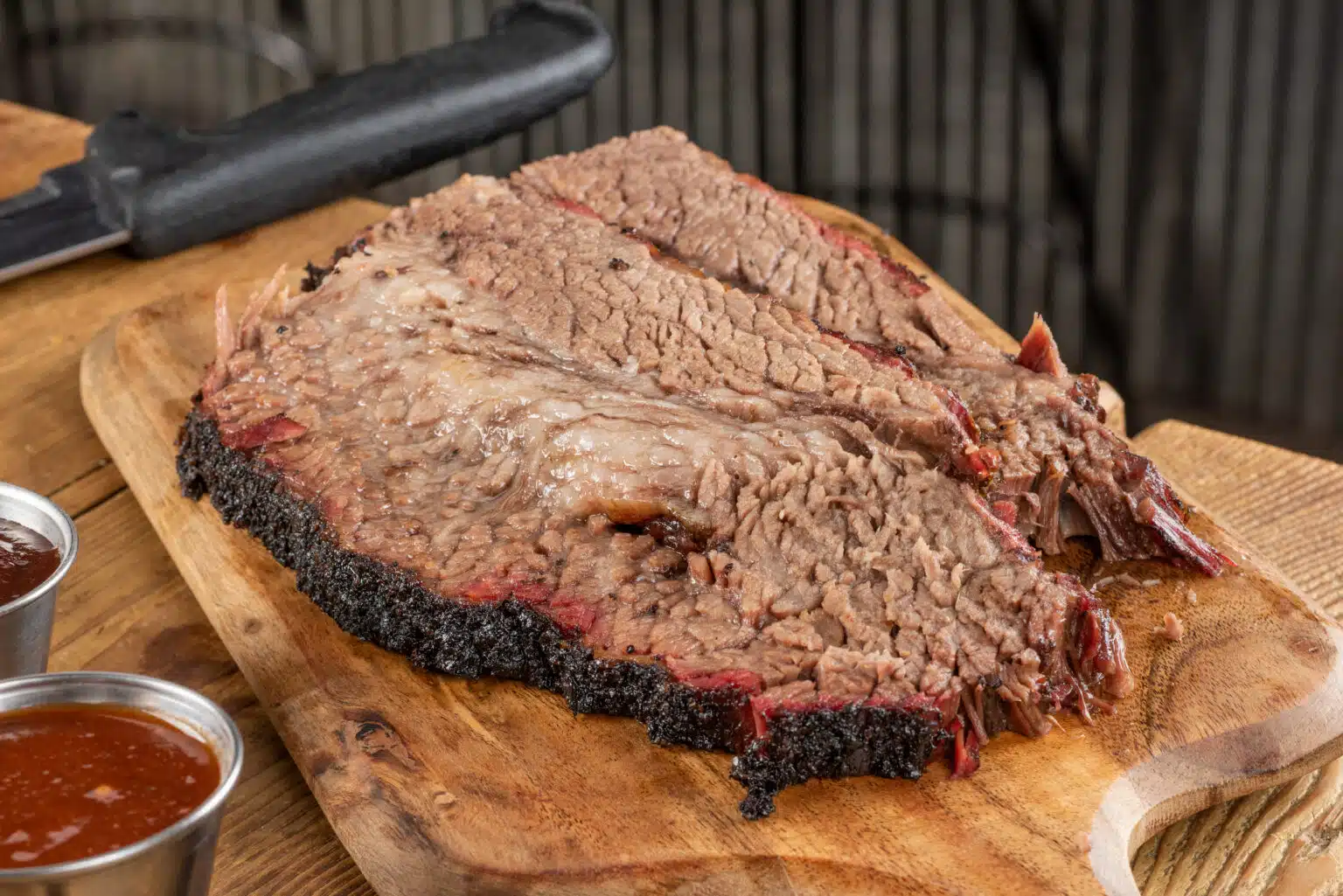
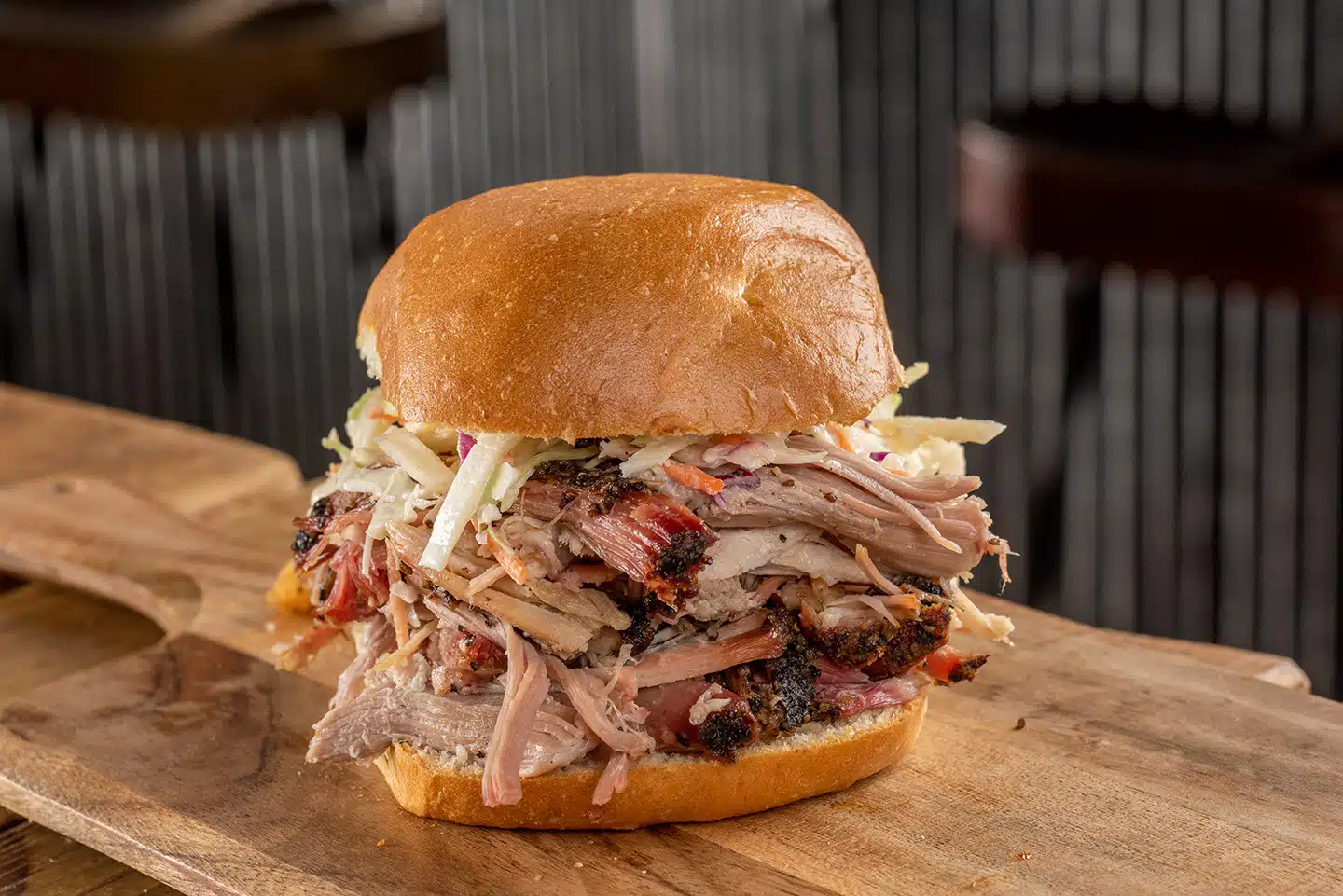
Walk into a good Southern restaurant and the first thing you notice is not a single dish. It is the aroma, layered and familiar, even if you did not grow up around it. There is smoke from pork that has taken its time, butter warming in a skillet, onions softening low and slow, and something sweet in the background, maybe cornbread or peach cobbler finishing in the oven. Southern food is often described as comforting, but that word can flatten what is really happening on the plate. The cuisine is more nuanced than people give it credit for. It balances smoke, salt, heat, acid, sweetness, and texture with a confidence that comes from long practice.
That is why the signature flavors at a Southern restaurant tend to stay with people. They are not loud for the sake of being loud. They are rooted in technique, local ingredients, and a cooking tradition shaped by African, Indigenous, European, and Caribbean influences. The dishes feel generous, yet the best kitchens show restraint too. A fried chicken crust should shatter, not sit greasy and heavy. A bowl of shrimp and grits should taste like the sea, the skillet, and the stone-ground corn, not just cream. A side of collards should carry smoke and tang, but the greens still need character of their own.
Spend enough time eating in Southern dining rooms, from old family spots to chef-driven neighborhood places, and certain flavor signatures come up again and again. They are the markers that tell you the kitchen understands the region beyond postcard stereotypes.
Smoke, salt, and slow-cooked depth
One of the clearest signatures in Southern cooking is smoke. Sometimes it comes directly from a pit, as with ribs, pulled pork, brisket in parts of Texas, or smoked chicken. Other times it comes from an ingredient that seasons the whole dish, like ham hocks in collard greens, smoked sausage in red beans, or bacon fat used to start a pan of vegetables. Smoke is rarely there just to dominate. In the best versions, it gives shape to everything around it.
A pot of greens is a good example. On paper, the ingredient list can look modest: collards or mustard greens, onion, stock, vinegar, red pepper, maybe smoked turkey or pork. But when it is done right, each spoonful carries a deep savory backbone that tastes like hours of patient cooking. The broth, often called potlikker, can be as prized as the greens themselves. Good cooks know the line between richness and muddiness. Too much smoked meat and the greens disappear. Too little and the dish tastes flat.
The same judgment applies to barbecue. People who are new to Southern food sometimes assume barbecue is all about sauce, but in a serious Southern restaurant, the meat has to stand on its own first. Smoke should season the exterior and work into the fibers, not mask poor handling. Pulled pork, for instance, needs enough bark for texture and enough interior moisture to keep each bite supple. Sauce can add brightness, sweetness, or spice, but it should not rescue dry meat.
This is where regional variation matters. In the Carolinas, vinegar-forward sauces sharpen fatty pork beautifully. In parts of Tennessee, tomato-based sauces offer a sweeter, stickier contrast. Alabama white sauce brings tang and pepper to smoked chicken. The signature flavor is not one fixed profile, but the interplay between smoke and the condiment traditions around it.
The quiet power of fat
Southern food has a reputation for richness, and the reputation is earned, though the best kitchens use fat with intention. Butter, lard, bacon drippings, schmaltz, and pan drippings all show up in classic dishes, but their job is not simply to make food heavy. Fat carries aroma, rounds harsh edges, and builds mouthfeel.
Take biscuits. A memorable biscuit is not just buttery. It is tender, layered, lightly salty, and balanced enough to work with sausage gravy, jam, honey, or a slice of country ham. The flour matters, the folding matters, the oven matters, and so does the fat. Too warm, and the biscuit spreads. Too much handling, and it turns tough. When you split one open at a Southern restaurant and see steam rising from a soft, structured crumb, that is not an accident. It is the result of practiced hands and a feel for the dough that recipes alone do not teach.
The same can be said for gravy, a dish often underestimated by anyone who has only had mediocre versions. Proper sausage gravy has browned sausage with real seasoning, a roux or flour base cooked enough to lose the raw taste, and milk or cream added with control so the texture coats rather than clumps. Black pepper should be assertive. Salt has to be measured carefully because the sausage already brings its own. Good gravy tastes warm, savory, and substantial without becoming paste.
This kind of richness appears across the menu. Macaroni and cheese at a Southern restaurant should taste of actual cheese, not just dairy. Sweet potato casserole needs enough butter to feel lush, but enough sweetness control to avoid becoming dessert by mistake. Even field peas or lima beans often carry a silky finish from some form of rendered fat. When these dishes work, they offer depth and softness, not simply excess.
Heat that builds instead of burns
Heat in Southern cuisine is often more subtle than outsiders expect. It can be direct, as in cayenne-heavy fried chicken or a bowl of gumbo with hot sauce, but just as often it works in the background. Red pepper flakes in greens, black pepper in gravy, Creole seasoning on catfish, or a few dashes of pepper vinegar on beans all add lift rather than brute force.
A lot of Southern cooks understand that the right amount of heat should wake up the palate and keep you reaching for another bite. Too much capsaicin can flatten the other flavors. That is especially true in dishes with long histories and carefully balanced seasoning. Jambalaya, for instance, is not supposed to be a one-note spice bomb. It should give you savory sausage, aromatic vegetables, stock-soaked rice, and layers of seasoning that unfold across the bite. Heat plays a role, but it shares the stage.
Hot sauce culture is part of this flavor story too. On many tables in the South, the bottle is Southern restaurant as standard as salt and pepper. Yet diners use it differently depending on the dish. A few drops on fried catfish can sharpen the cornmeal crust. A little on eggs and grits adds edge without rewriting breakfast. On collards, pepper vinegar can cut through richness in a way that straight hot sauce does not. These are small decisions, but they reveal a lot about how Southern flavors are built: contrast matters.
Nashville hot chicken deserves mention because it has become one of the most recognizable spicy foods associated with the region. At its best, the heat is fierce but supported by flavor from paprika, cayenne, garlic, brown sugar, and the frying fat itself. The white bread and pickles traditionally served with it are not decoration. They cool and reset the palate. Without them, the dish loses part of its logic.
Tang and acidity keep the plate alive
If richness is one half of the Southern equation, acid is the other. It is one reason the food, when properly made, does not feel as heavy as critics sometimes claim. Vinegar shows up everywhere, from barbecue sauces to pickles to slaws to marinades. Buttermilk lends tartness to biscuits, cakes, dressings, and fried chicken brines. Citrus comes in where climate allows, especially along the Gulf Coast. Tomatoes contribute freshness and bite in stews, relishes, and salads.
Think about coleslaw. In a weak kitchen it can become an afterthought, a cold mound of sweetness with no snap. In a strong Southern restaurant, slaw has a clear purpose. It brightens fried seafood, offsets smoky meat, and gives the plate a cool, crisp counterpoint. Sometimes it is creamy, sometimes vinegar-based, sometimes sharpened with mustard seed or celery seed. The best versions are fresh enough to cut through fat in real time.
Pickles perform a similar function. Bread-and-butter pickles bring sweet tang to sandwiches and platters. Dill pickles give fried chicken crunch and acidity. Chow-chow, that relish of chopped pickled vegetables common in parts of the South, can wake up beans, peas, or braised meats. Even a wedge of lemon beside catfish tells you the kitchen understands that fried food needs contrast to stay interesting.
Buttermilk deserves its own respect here. It is one of the most useful flavoring agents in Southern cooking because it does several jobs at once. It tenderizes chicken, sharpens batter, enriches dressings, and adds complexity to baked goods without making them taste overtly sour. A buttermilk pie, a stack of pancakes, and a fried chicken marinade may seem unrelated, yet the same ingredient quietly links them through that gentle tang.
Corn, rice, and grains with real character
A strong Southern restaurant usually treats grains and starches as more than fillers. Corn in particular carries enormous weight in the region’s flavor identity. Stone-ground grits, cornbread, hush puppies, hoecakes, and spoonbread all express different sides of the same ingredient. The taste of corn can be nutty, sweet, earthy, or almost floral, depending on the variety and the grind.
Grits are a revealing test. If they arrive smooth but flavorless, the kitchen is phoning it in. Good grits taste like corn first. They should have body, even when cooked soft, and they should support additions rather than disappear underneath them. In shrimp and grits, that matters. The shrimp might be sautéed with garlic, lemon, stock, tasso, or andouille, but the grits must still register as a real component of the dish. Too much cream or cheese can drown their identity.
Cornbread inspires some of the most passionate arguments in Southern dining because sweetness varies by household and region. Some diners expect very little sugar. Others like a touch more sweetness, especially with spicy beans or greens. Both camps can be satisfied if the texture is right. Cornbread should have a strong crust from a hot pan and enough moisture to avoid crumbling into dust. A wedge baked in cast iron carries a depth that a square from a sheet tray rarely matches.
Rice has its own place, particularly in the coastal South and Louisiana. Red beans and rice, Hoppin’ John, jambalaya, and pilau or perloo traditions all show how a humble grain can absorb stock, meat drippings, aromatics, and spice until it becomes the backbone of the meal. In these dishes, texture tells the truth. Mushy rice means the cook lost control. Distinct grains that still feel tender show skill.
Seafood, when the region meets the water
Any honest discussion of a Southern restaurant has to account for geography. The South is not one landscape, and its flavors shift with coastlines, rivers, marshes, and fisheries. Gulf shrimp, oysters, blue crab, catfish, and crawfish all shape regional menus in ways that feel unmistakably local.
Seafood in Southern cooking often combines delicacy with bold seasoning. Fried oysters may come with remoulade, hot sauce, or a squeeze of lemon. Blackened fish carries spices that char and bloom in a hot pan. A bowl of shrimp and okra stew can taste both briny and deeply comforting. Crab cakes in a Southern setting may lean less on filler and more on seasoning that lets the crab speak.
Then there is Lowcountry cooking, where rice, shellfish, and pork often share the plate. Frogmore stew, she-crab soup, and shrimp purloo all reflect a style of cooking that is tied to place rather than trend. In Louisiana, gumbo stands apart as one of the South’s most sophisticated dishes, combining roux, stock, aromatics, seafood or meat, and filé or okra depending on the style. Every component matters, and shortcuts show immediately.
One practical sign of a good seafood-focused Southern restaurant is how it handles frying oil and breading. Fresh oil, well-seasoned cornmeal or flour, and proper drainage make the difference between crisp, clean food and a plate that tastes tired. Catfish should taste sweet and fresh beneath the crust. Shrimp should still snap. Hush puppies should be crisp outside and steamy within, not leaden.
Sweetness beyond dessert
Southern cooking has a sweet side, but the smartest restaurants understand where sweetness belongs and how much is enough. It appears in sweet tea, glazed ham, candied yams, barbecue sauce, cornbread in some traditions, and countless desserts. Yet sweetness works best when it is set against bitterness, salt, acid, or spice.
Sweet tea is a perfect example because it seems simple and often is not. Brew it too strong and the tannins bite. Add sugar too late and it never dissolves properly. Serve it too cold and the flavor dulls. In many Southern dining rooms, it arrives bright, amber, and unapologetically sweet, but still balanced enough to drink with salty food. Unsweet tea is common too, but the presence of sweet tea on the table says something cultural as much as culinary.
Dessert extends the region’s flavor signatures rather than breaking from them. Peach cobbler, banana pudding, pecan pie, hummingbird cake, bread pudding, and chess pie each carry a distinct Southern sensibility. They are generous, textured, and usually grounded in pantry ingredients that kitchens have relied on for generations. Pecan pie, for example, works because the bitterness of toasted nuts reins in the syrupy filling. Banana pudding succeeds when the custard tastes homemade and the wafers soften just enough without dissolving.
At a polished Southern restaurant, dessert often feels inevitable rather than obligatory. After a meal of smoke, salt, pepper, and tang, a warm fruit cobbler with cold vanilla ice cream lands with a kind of emotional precision. It closes the loop.
The seasoning backbone: onion, celery, pepper, garlic
Many signature Southern flavors begin with a handful of aromatic vegetables and dried spices rather than one dramatic ingredient. In Louisiana, cooks talk about the holy trinity of onion, celery, and bell pepper. Elsewhere, onions and garlic form the base for gravies, braises, and stews. Paprika, thyme, black pepper, cayenne, bay leaf, mustard powder, and celery seed show up regularly, each in amounts that can look modest on paper but prove essential in the final taste.
This is one reason Southern food is difficult to fake well. A recipe may seem accessible, but timing and sequencing matter. Onions cooked until translucent are not the same as onions pushed into deep caramelization. Spices bloomed in fat open differently than spices thrown in at the end. Flour cooked for a blond gravy behaves differently than flour pushed to a dark roux for gumbo. The final plate reflects hundreds of tiny decisions.
A seasoned cook also knows when not to overcomplicate things. Fried green tomatoes need a tart tomato, a cornmeal crust, and enough seasoning to carry them, not a pile of unrelated toppings. Pimento cheese should taste of sharp cheddar, pimentos, seasoning, and a little bite, not sugar or excessive creaminess. Deviled eggs can support paprika, pickle relish, mustard, or even a little bacon, but the filling still needs to taste like egg first.
What seasoned diners look for
People who eat Southern food often can spot quality before the main course lands. They watch the biscuit basket, the slaw, the aroma of the dining room, the color of the fried crust, the thickness of the gravy. Small details are telling because they reveal whether the kitchen respects the cuisine or simply borrows its imagery.
A few signs usually separate memorable cooking from forgettable cooking:
- The seasoning is layered, not just salty.
- Rich dishes are balanced with acid, heat, or bitterness.
- Starches like grits, rice, and cornbread have flavor of their own.
- Fried foods arrive crisp and clean, not greasy.
- Sides are treated with as much care as entrées.
That last point matters. In many Southern meals, the sides are where a restaurant proves itself. Anyone can purchase decent fried chicken or smoke a pork shoulder competently with enough equipment. But lima beans cooked until creamy without falling apart, cabbage braised until tender with a little sweetness, or mac and cheese that stays structured on the plate while still feeling luscious, those are the marks of a kitchen paying attention.
Why these flavors endure
The signature flavors you find at a Southern restaurant have lasted because they solve real culinary problems while delivering pleasure. Smoke preserves and deepens. Fat enriches and carries aroma. Acid brightens. Heat sharpens. Corn and rice stretch ingredients into a full meal. Sweetness comforts, but also balances spice and salt. Nothing in this system is random.
There is also an emotional logic to Southern food that is easy to miss if you reduce it to clichés. Many of the region’s defining dishes came from thrift, labor, hospitality, and adaptation. Cooks learned how to make inexpensive cuts delicious, how to transform pantry staples into meals that felt abundant, and how to build flavor with patience when luxury ingredients were scarce. That history remains on the plate even in more polished settings.
The best Southern restaurant does not serve nostalgia alone. It serves judgment, technique, and a strong sense of place. You taste it in the crackle of fried chicken, the vinegary edge of slaw, the low smoke in a bowl of greens, the corn-rich warmth of grits, and the clean sweetness of peach cobbler at the end of the meal. Those flavors endure because they are complete. They answer hunger, memory, and craft all at once.
Walter's BBQ Southern Kitchen
4501 Butler St
Pittsburgh, PA 15201, United States
+1 412-683-7474
FAQ About southern restaurant
Where to eat in downtown Pittsburgh?
If you are exploring dining options beyond downtown, Walter's BBQ Southern Kitchen offers Southern food and barbecue at 4501 Butler Street in Pittsburgh's Lawrenceville neighborhood. It is outside downtown, so allow travel time when planning your visit.
What is a must eat in Pittsburgh?
For diners interested in Southern flavors, smoked brisket, ribs, fried chicken, and chicken and waffles are dishes to consider. Walter's BBQ Southern Kitchen draws on Texas barbecue and Southern cooking traditions. Check the current menu for the dishes available during your visit.
What are some of Pittsburgh's unique restaurants?
Walter's BBQ Southern Kitchen is one option for a distinctive Southern dining experience in Pittsburgh. Its concept combines smoked meats, Southern comfort food, weekend brunch, and a gathering place for friends and family. The restaurant is located on Butler Street in Lawrenceville.